A connected building uses sensors, meters, software and automated controls to monitor how a property is operating in real time. This can include water usage, leaks, temperature, humidity, occupancy, energy consumption and access activity.
By making this information visible, connected buildings allow property and facilities teams to identify unusual conditions earlier, respond faster and maintain evidence of how risks are being managed.
For water-related risks in particular, real-time monitoring and automated controls can prevent a minor issue from developing into extensive damage, operational disruption and an expensive insurance claim.
Insurance Risk Is Often a Question of Time
In many property insurance claims, the original fault is only part of the problem.
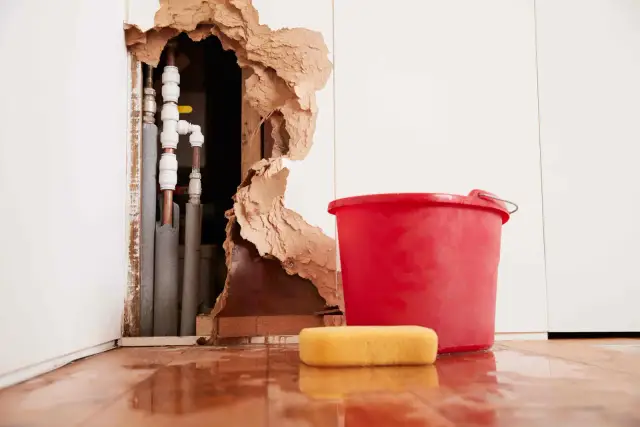
The eventual severity of the loss is often determined by how long the issue remains undetected and how quickly it can be contained. A small leak discovered within minutes may require a straightforward repair. The same leak left unnoticed overnight, across a weekend or during an extended building closure can damage ceilings, flooring, equipment and critical infrastructure.
This makes two measures particularly important:
Time to detection
Time to response
By collecting live information from meters, sensors and building systems, connected buildings give property teams greater visibility over conditions across their estate. When abnormal activity is identified, alerts can be sent immediately and, where suitable controls are installed, automated action can be taken before significant damage occurs.
This helps move property risk management away from delayed discovery and reactive repairs towards earlier intervention and loss prevention.
Why Property Insurance Requires a More Proactive Approach
Insurance protects organisations when unexpected events occur, but insurers and policyholders both benefit when incidents are prevented or their severity is reduced.
Escape of water remains one of the most common causes of property damage. The Association of British Insurers reports that insurers pay approximately £1.8 million every day for domestic escape-of-water damage.
The potential impact can be even greater in commercial buildings. Zurich has reported commercial escape-of-water losses exceeding £1 million, with some incidents also causing considerable operational disruption.
Commercial properties can contain high-value equipment, occupied spaces, IT infrastructure, specialist facilities and complex water systems. A leak may therefore result in more than repair costs. It can also lead to:
Business interruption
Temporary building closures
Damage to stock or equipment
Disruption for tenants or customers
Loss of rental income
Reputational damage
Increased management and remediation costs
Reducing this exposure is not simply about having the right insurance policy. It is also about demonstrating that risks are being actively identified, monitored and controlled.
What Is a Connected Building?
A connected building uses digital technology to collect and share information about how the property is operating.
Depending on the building, this may include:
Leak-detection sensors
Temperature and humidity sensors
Occupancy monitoring
Energy monitoring
Access-control systems
Automated valves
Building management systems
In simple terms, a connected building makes previously hidden activity visible.
A traditional building may not reveal a water leak until someone notices staining, flooding, reduced pressure or an unexpectedly high water bill. A connected building can identify abnormal flow, continuous consumption or water appearing in an unexpected area much earlier.
This allows property and facilities teams to act while an issue is still manageable.
How Connected Buildings Reduce Insurance Risk
Earlier Detection of Hidden Leaks
Leaks can develop behind walls, underneath floors, above ceilings, inside risers or within plant rooms. In large, complex or lightly occupied buildings, they may continue for hours or days before becoming visible.
Connected water-monitoring systems analyse consumption and flow continuously. They can identify patterns that may indicate a problem, including:
Continuous water use outside normal operating hours
Sudden increases in consumption
Flow continuing when a building is unoccupied
Abnormal activity within a particular zone
Repeated changes linked to faulty fixtures or equipment
Systems such as Quensus LeakNet can combine real-time monitoring, alerts and automated shut-off controls. This helps organisations detect a possible leak quickly and isolate the supply where appropriate, reducing the amount of water that can escape.
Faster Incident Response
Detection alone does not prevent damage. The information must reach the right person and lead to an appropriate response.
Connected systems can notify facilities teams, building managers or designated responders as soon as abnormal activity is identified. Alerts can contain information about the affected building, zone or meter, helping the team investigate more efficiently.
Where an automated shut-off valve is installed, the system may also isolate the water supply without waiting for someone to attend the property.
This is particularly valuable during:
Nights and weekends
Public holidays
Building closures
Low-occupancy periods
Periods when facilities teams are off site
Reducing the time between detection and containment can significantly limit the extent of an incident.
Reduced Claims Severity
Connected technology cannot guarantee that faults will never occur. Pipes can fail, fixtures can become damaged and equipment can malfunction.
Its principal value is that it can prevent a manageable fault from becoming a major loss.
By detecting abnormal activity earlier and supporting a faster response, connected buildings can help protect:
Building fabric
Electrical equipment
Server rooms
Stock and machinery
Residential units
Hotel rooms
Healthcare environments
Communal spaces
Critical operational areas
This can reduce direct physical damage while also limiting disruption to building users and business operations.
Better Risk Evidence
Insurers, brokers and risk managers need evidence that controls are working in practice.
Connected building systems can create a record of how water risk is being monitored and managed. Depending on the system, this may include:
Water-consumption trends
Alert histories
Response times
Shut-off events
Maintenance activity
Usage patterns by building or zone
Evidence that an issue was resolved
Reports showing the controls in place
This information can support more informed discussions with insurers and brokers.
It does not automatically guarantee lower premiums or different policy terms. Those decisions remain subject to the insurer, the property, its claims history and the wider risk profile. However, reliable monitoring data can help an organisation demonstrate that it is taking a structured and proactive approach to loss prevention.
Why Water Risk Is Well Suited to Connected Monitoring
Water systems are present throughout most commercial and residential buildings, but their behaviour is often poorly understood.
Property teams may know how much water a building uses each month without knowing:
When that water is being consumed
Which areas are using it
Whether consumption is expected
Whether water is flowing while the building is closed
Whether a repair has resolved the original problem
Connected monitoring provides this operational context.
For example, water use during working hours may be entirely normal. The same flow rate continuing throughout the night may indicate a leaking toilet, faulty appliance or damaged pipe.
A sudden increase may suggest a burst or major failure. A smaller but continuous flow may indicate a hidden leak that could otherwise remain unnoticed for weeks.
By analysing when, where and how water is being used, property teams can distinguish normal activity from potential risk.
Supporting Better Maintenance Decisions
Traditional maintenance programmes are often based on fixed inspection schedules or visible defects.
Connected building data allows maintenance teams to prioritise work according to actual building performance. Instead of waiting for a problem to become obvious, teams can investigate changes in consumption or abnormal activity as they emerge.
The data can also help verify whether maintenance has been successful.
If water usage returns to its expected pattern after a repair, the team has evidence that the issue has likely been resolved. If abnormal usage continues, further investigation can begin before additional damage or waste occurs.
This creates a more informed maintenance process and helps organisations direct resources towards the areas of greatest need.
Technology Must Be Supported by Clear Procedures
Connected systems are most effective when they are part of a wider risk-management process.
Installing sensors and creating alerts is only the beginning. Organisations must also decide who is responsible for receiving alerts, what action should be taken and how incidents will be documented.
A strong process should include:
Clearly assigned responsibility for monitoring
Defined escalation procedures
Appropriate alert thresholds
Out-of-hours response arrangements
Regular inspection and maintenance
Documented actions and outcomes
Integration with facilities-management processes
Periodic reviews of building data
Reporting for insurers, brokers and internal stakeholders
The objective is to create a closed risk-management loop:
Detect, respond, resolve, evidence and improve.
When this process is managed effectively, connected building data becomes more than information on a dashboard. It becomes a practical tool for reducing risk.
Wider Operational and Sustainability Benefits
The same monitoring technology used to reduce insurance exposure can also support wider property objectives.
Identifying continuous or abnormal water usage can reduce unnecessary consumption and utility costs. Usage data can support sustainability reporting, environmental targets and water-efficiency programmes.
Connected systems can also help organisations:
Understand how buildings are being used
Compare performance across an estate
Prioritise maintenance resources
Identify inefficient fixtures
Verify water-saving improvements
Strengthen operational resilience
Support environmental and compliance reporting
This creates a broader business case for investment. Connected monitoring is not only an insurance-risk control. It can also improve efficiency, visibility and asset management.
Building a Stronger Insurance Risk Profile
A strong property risk profile is created by combining technology, maintenance and effective operational procedures.
Connected water monitoring allows organisations to demonstrate that they are not simply waiting for visible damage or a claim to occur. They are actively looking for abnormal conditions, responding when issues arise and maintaining evidence of the actions taken.
For insurers and brokers, this provides a clearer picture of how the property is being managed.
For property owners and facilities teams, it means greater control over risks that were previously difficult to see.
How Quensus Supports Connected Water Risk Management
Quensus provides smart water-management, leak-detection and leak-prevention solutions for individual buildings and complex multi-site estates.
Through solutions including LeakNet, property teams can gain greater visibility over water consumption, receive real-time alerts and use automated shut-off controls to limit damage when abnormal activity is detected.
This helps organisations:
Identify potential leaks earlier
Reduce response times
Limit the severity of water-related incidents
Protect buildings and critical assets
Reduce unnecessary water consumption
Create evidence of active risk management
Connected buildings cannot remove every property risk. They can, however, significantly reduce the period during which a fault remains hidden and uncontrolled.
That is where their insurance value becomes clear.
Speak to Quensus About Connected Water Monitoring
Whether you manage a single commercial property or a large, complex estate, Quensus can help you improve water visibility and develop a more proactive approach to leak prevention and insurance resilience.
Speak to the Quensus team to explore how connected water monitoring could support your buildings.
Or you can request an instant quote here.