




CLT buildings and buildings with flat roofs

Cross-laminated timber (CLT) is layered timber for walls, floors, and roofs. On CLT and flat-roof projects, Quensus monitors pipe leaks and hidden moisture from construction through occupation.

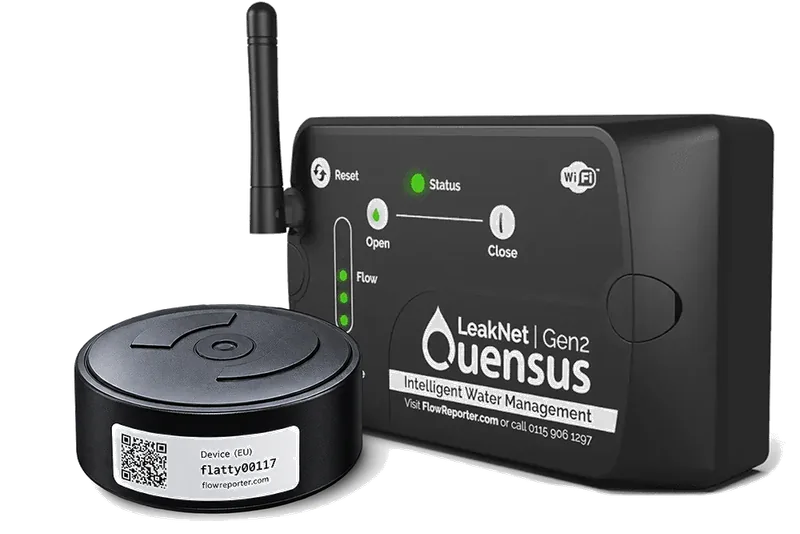
Quensus LeakNet Gen2 controller and wireless moisture sensor
Water leak prevention icon

Prevent damage

Escape-of-water protection for pipework, risers, and site supplies, with shutoff where configured.
Moisture monitoring icon

Track moisture

Embedded sensors monitor drying in CLT panels and ingress beneath flat-roof membranes.
Compliance reporting icon

Prove compliance

Drying records, threshold alerts, and handover reports insurers and clients can rely on.

Two risks, two systems

Pipe leaks show on a flow meter. Moisture trapped in CLT panels or flat roofs does not. You need both from fabrication through occupation.

Flow-based detection

LeakNet flow meters learn normal use, alert on abnormal flow, and shut the supply where configured.

  • Escape of water from pipework, risers, and plant rooms
  • Automatic shutoff and FlowReporter alerts to the right people
  • Occupied buildings, complex layouts, and multi-storey programmes
  • Site standpipes and temporary supplies during construction

During construction

Protect standpipes and temporary supplies while the building is still being fitted out.

In occupation

Tenant leaks, appliance failures, and burst pipes before damage spreads through the building.

Moisture-based detection

Wireless sensors inside CLT panels or beneath flat-roof build-ups catch trapped moisture and ingress that a flow meter will never see.

  • Wood moisture, temperature, and humidity tracked continuously
  • Embedded probes in the lamella, not splash sensors on the surface
  • Drying evidence before walls and floors are closed in
  • Live dashboard, threshold alerts, and compliance reports

CLT panel sensors

Track drying in the lamella from fabrication through encapsulation. Spot wet panels before decay or mould takes hold.

Flat-roof sensors

Detect ingress beneath the membrane before it reaches the deck or spreads into the building below.

Key benefits

Flow detection and moisture monitoring for CLT and flat-roof programmes, scoped through Quensus.

Accurate data

±1% accuracy in the 7-27% wood moisture range inside CLT panels and flat roofs.

25-year lifespan

LoRaWAN hardware with up to 25 years of service and ongoing subscription monitoring.

Easy to install

Compact IP54 sensors with extension probes that fit where you need them on site.

Real-time insights

Live dashboard, threshold alerts, and automated compliance reports for insurers and clients.

Flow protection

LeakNet flags abnormal flow on the meter and shuts off supply where configured.

Save time and cost

Fewer site visits just to check conditions. Focus time where it is needed.

Planning through occupation

  1. Planning

    Agree sensor coverage and insurer evidence before work starts.

  2. Construction

    Monitor CLT drying and roof conditions. Protect site water supplies.

  3. Handover

    Documented proof that panels are drying and monitoring is live.

  4. Maintenance

    Alerts reach the right people before damage is visible.

Common questions

From project teams, insurers, and specifiers on CLT and flat-roof programmes.

Why do I need both flow detection and moisture monitoring?

Pipe leaks show on a flow meter, but moisture trapped in CLT panels or beneath a flat-roof membrane does not. Flow-based detection protects pipework, risers, and site supplies. Embedded sensors track wood moisture, temperature, and humidity where water never passes a meter. Most CLT and flat-roof programmes need both from fabrication through occupation.

What if wood moisture readings are above 30%?

Above 30% wood moisture content, timber is generally considered too wet to enclose. The exact number matters less than the drying trend, probe placement, and whether wet areas can still vent. Keep affected panels open where possible. If enclosure is unavoidable, use active venting, heat, or air suction until readings fall into a safe range.

Why use embedded probes instead of surface sensors?

Surface or splash sensors only tell you if the face of a panel is wet or dry. Screw-in probes read moisture inside the CLT lamella, where drying decisions actually matter. That depth reading is what insurers and project teams need before walls and floors are closed in.

Can sensors detect flat-roof ingress before damage is visible?

Yes. Sensors placed beneath the roof build-up can detect moisture under the membrane before it reaches the deck or spreads into the building below. That is a different risk from pipe leaks and needs its own monitoring approach alongside any flow-based protection.

When should monitoring start on a CLT project?

Ideally in planning, so sensor coverage and insurer evidence are agreed before work starts. CLT drying is tracked from fabrication through encapsulation. LeakNet can protect site standpipes and temporary supplies during construction, then monitor occupied pipework once the building is live.

How do LeakNet and moisture monitoring work together through Quensus?

Quensus scopes and supplies LeakNet for flow-based escape-of-water protection and coordinates embedded moisture sensors for CLT and flat-roof programmes. We help you define the right mix for your project size, layout, and insurer requirements.

Tell us about your project

We will help you scope the right mix of flow detection and moisture monitoring. Typical response within one working day. We may follow up for drawings and technical detail.

Project characteristics